

 Everyone


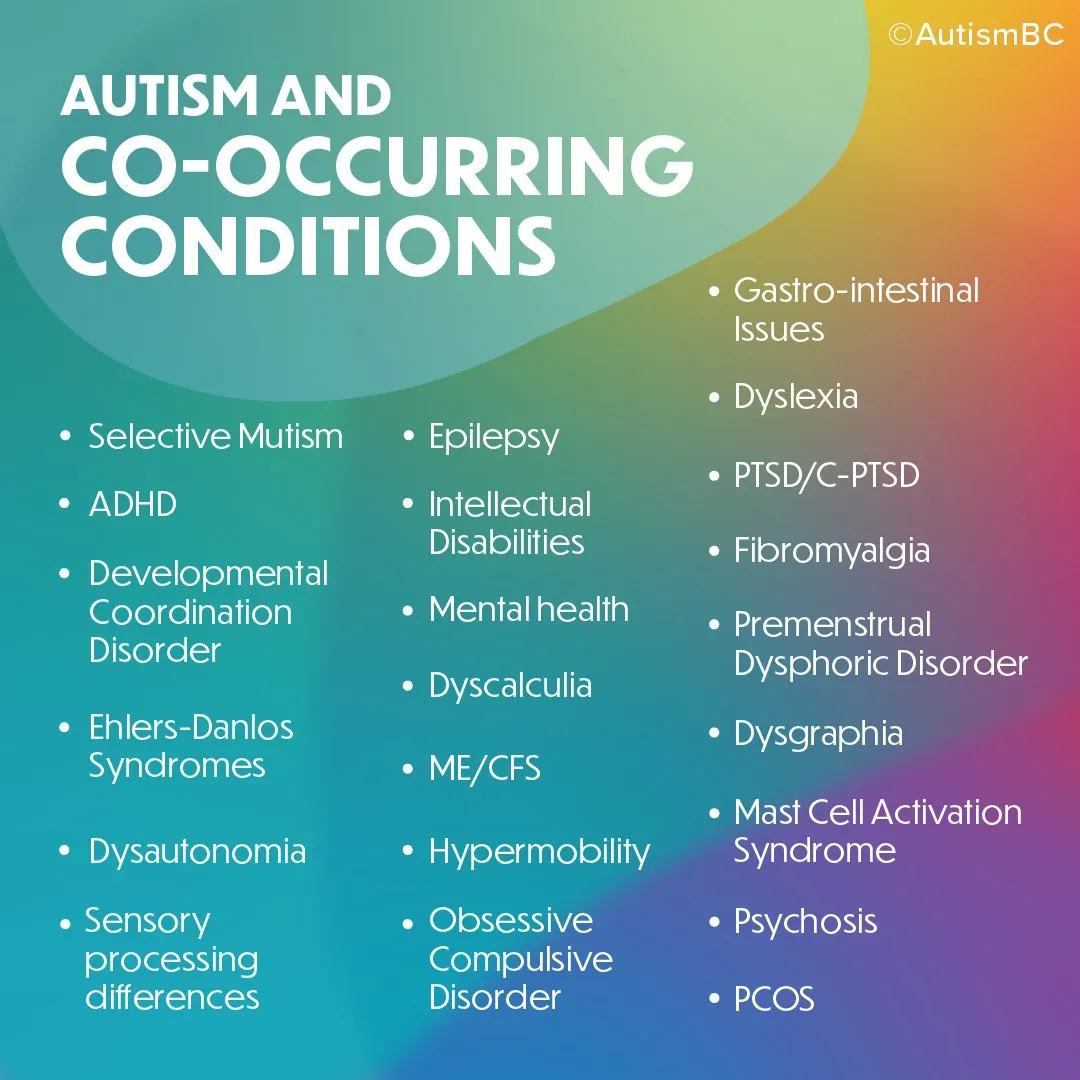
An overwhelming majority of autistic people have co-occurring health conditions, according to our recent survey. Among the most common are anxiety, selective mutism, ADHD, sensory processing differences and more. It’s important to note that not all autistic individuals will have these co-occurring conditions, and the severity and combination of co-occurring conditions can vary widely among individuals. Therapies and support strategies should be tailored to each person’s specific needs.
Selective Mutism
Selective mutism is an anxiety disorder that is diagnosed when a person consistently does not speak in some situations but speaks comfortably in other situations. Many autistic people experience selective or situational mutism. It is most often diagnosed in childhood. Some traits associated with selective mutism are:
- Being unable to speak
- Fidgeting, eye contact avoidance, lack of movement or lack of expression when in feared situations
- Use of nonverbal communication to express needs
- Anxiety and reluctance to interact with others
- Speaking easily in certain situations (e.g., at home or with familiar people)
- Speaking only in a whisper or using noises to communicate
How to Support:
The best support for selective mutism is patience and understanding. Remember, they are not choosing to stay silent but are unable to speak due to anxiety.
Removing the pressure to speak and allowing communication on their terms will allow the individual to feel more comfortable. Giving adequate time to warm up to new environments and people is crucial for alleviating anxiety. A person with SM may need to meet someone many times before they will communicate with them; in some cases, this will take years.
In classroom settings, a child may struggle to ask for help, use the washroom, or communicate a need. Visuals are helpful for communication in a high-anxiety setting. Allowing a child to arrive early and settle into the classroom before other children arrive can help alleviate some anxiety.
If a child cannot speak during class time, having them record themselves reading or spelling at home can be useful. They can also tell the teacher their interests and dislikes through writing or video without the anxiety of speaking to them directly. Many forms of communication are not speech. Pecs and touch speech technology also work well.

Sensory processing differences
Sensory processing differences occur when people experience sensory input differently. For example, how they feel exhaustion, hunger, lights, and sound can be challenging and overwhelming. Some people may also experience temperature or pain differently. For example, they may not react as much as expected to the pain of a scraped knee or extreme cold or heat discomfort.
Like autism, sensory processing exists on a spectrum and may affect only one sense, like hearing or taste, or all of them. Some individuals are sensory sensitive, meaning they avoid sensory input due to discomfort, whereas some are sensory seeking and prefer intense pressure and stimulation. Commonly, a sensory profile includes a combination of both sensory-sensitive and sensory-seeking needs.
Sensory sensitive traits:
- Finds clothing feels too scratchy or itchy
- Sensitive to light
- Sensitive to sound
- Uncomfortable with hair washing, brushing and other forms of touch
- Sensitive to food texture and smell
- Experiences balance and spatial awareness differently
- Uncomfortable with spinning or swinging
- Sensory meltdowns due to overstimulation
Sensory seeking traits:
- Enjoys frequent movement
- Loves jumping, heights, and spinning
- Can spin without getting dizzy
- May enjoy tight hugs, compression clothing, and seek touch
- Chews on non-food items
- Seeks visual stimulation (like electronics)
- May need less sleep than expected
- Enjoys a variety of textures
How to Support:
Supporting a person with sensory differences can be done in various ways. There are tons of sensory-friendly products for adults, too. For the sensory seeker, crash pads, compression clothing, and chewable necklaces can provide enjoyable sensory input. Deep pressure and massage can be very soothing. Fidget toys are widely available and are often welcomed in the classroom and workplaces.
Seam and tag-free clothing can be found online and in some retailers. Calming music or noise-cancelling headphones can lessen noise discomfort, as can calming scents such as lavender for those sensitive to strong smells. This is often known as a sensory diet, an individualized plan of physical activities and supports to help a person meet their sensory needs. This plan provides the sensory input needed to stay focused and supported throughout the day.
A sensory diet can prevent sensory and emotional overload by meeting the nervous system’s sensory needs; however, it can also be used as a recovery technique. Understanding a person’s sensory profile and the activities which create calmness and regulation can help when a person feels overwhelmed. Regular sensory activity schedules can support focus, attentiveness, and interaction.
ADHD (Attention Deficit Hyperactivity Disorder)
More than half of all individuals who have been diagnosed as autistic also have traits of ADHD. In fact, ADHD is the most commonly reported coexisting condition among autistic people (chadd.org, 2023).
Both ADHD and ASD are neurodevelopmental differences. They are differences in the brain’s executive functioning, which is responsible for decision-making, impulse control, time management, focus, and organization skills. For many people, this also includes differences in social and communication skills.
Often, children with ADHD have challenges focusing on one activity or task. When they are engaged in their daily activities, they may be easily distracted. It is challenging for children with ADHD to complete one task before jumping to another, and they are often physically unable to sit still. But some children with ADHD may be so interested in a topic or activity that they fixate on it, or hyperfocus.
Although focusing on one thing can be positive, the individual may struggle with transitions from a preferred activity.
ADHD presents itself in distinct ways and varies greatly from person to person. Traditionally associated with hyperactivity, some may display impulsivity and restlessness. On the other hand, others may exhibit the inattentive subtype, characterized by differences in sustaining attention and organizing tasks. People with hyperactive ADHD may find themselves in constant motion, struggling with impulse control and a restless energy that can be disruptive to daily life. On the other hand, inattentive ADHD often leads to difficulties in maintaining focus, forgetfulness, and organizational challenges.
Often, people with ADHD have challenges focusing on one activity or task. They may be easily distracted when they are engaged in their daily activities. It is challenging for some with ADHD to complete one task before jumping to another, and they are often physically unable to sit still. However, some people with ADHD may be so interested in a topic or activity that they fixate on it or hyperfocus. Although focusing on one thing can be positive, it may cause the person to struggle with transitions from a preferred activity.
Many adults grapple with executive function challenges rooted in undiagnosed ADHD, affecting their ability to plan, organize, and execute tasks. Recognizing the diverse presentations and potential co-occurring conditions is crucial for accurate diagnosis and effective management of adult ADHD. The gender differences in presentation can further complicate diagnosis, as societal expectations may influence how symptoms are expressed and perceived. The misdiagnosis of ADHD as conditions like BPD, anxiety, or depression can delay appropriate support, hindering individuals from addressing the core challenges they face. The prevalence of executive function differences in undiagnosed adults with ADHD underscores the need for increased awareness and comprehensive assessment methods to ensure accurate identification and support for those navigating the complexities of adult ADHD.
Fortunately, a range of supports are available for adults with ADHD. Psychoeducation is critical in helping people understand their unique challenges and develop effective coping strategies. Cognitive-behavioural therapy (CBT) can be beneficial in addressing specific behaviours and thought patterns associated with ADHD, while coaching and organizational skills training assist in managing daily tasks. Healthcare professionals may prescribe medication to help regulate attention and impulse control. Additionally, support groups provide a valuable space for individuals to share experiences and strategies, fostering a sense of community. Workplace accommodations, such as flexible schedules or task modifications, can also contribute to a more conducive environment for individuals with ADHD. Tailored approaches that consider the individual’s strengths and challenges are essential for optimizing available support.
The landscape of social media is teeming with coaches and influencers who passionately highlight ADHD, autism, and the intersection of the two. From Instagram to YouTube, diverse voices offer personal experiences, strategies, and advocacy for neurodivergence. Coaches specializing in ADHD often offer practical tips, time-management techniques, and emotional support, creating virtual communities where folks can connect and share their journeys. Similarly, influencers focusing on autism bring visibility to the unique strengths and challenges of the autistic community, fostering understanding and breaking down stereotypes. The power of social media in raising awareness and creating a supportive online environment is evident, with these coaches and influencers contributing significantly to a more inclusive and informed conversation about ADHD, autism, and neurodivergence.
How to Support
If you want to be supportive of someone who has ADHD and is autistic, try providing:
- Extra time on tests or written work
- Positive reinforcement and feedback
- Using technology to assist with tasks
- Allowing breaks or time to move around
- Changes to the environment to limit distraction
- Extra help with staying organized
- An established peer-review system to double-check detailed work
- Altered work hours to accommodate peak periods of focus and attention
- Written out directions, instructions, and training materials for future reference
- Diagnosis with potential for medication
- Spoon Sharing
Understanding Executive Function
Cleaning Tips for Autistic Adults
ADHD and Autism Relationship Accommodations — How to Get Your Needs Met
Obsessive Compulsive Disorder
Obsessive-compulsive disorder (OCD) can affect anyone, but research suggests autistic people may be more likely to experience it. A Danish study conducted in 2014 reported autistic people are “twice as likely to receive a diagnosis of OCD, and people with OCD are four times as likely to also be autistic.” Although both OCD and autism have similar traits, they are different conditions. OCD is a mental health disorder, whereas autism is a neurological difference. People are born autistic, whereas OCD can develop during a person’s lifetime.
Traits of OCD may include:
- Fear of germs or contamination
- Unwanted or intrusive thoughts
- Excessive cleaning or handwashing
- Ordering and arranging things in a particular way
- Repeatedly checking on things, such as whether the door is locked or whether the oven is off
- Compulsive counting
Staff Sharing: OCD and Mental Health — Blog — AutismBC
OCD and Its Connection to Autism
Developmental Coordination Disorder
Individuals with developmental coordination disorder (DCD) have differences in motor skill development. They may take longer to use utensils, get dressed, or learn to ride a bike. Playing sports may be challenging, and due to coordination difficulties, they may be more prone to injury.
People with DCD may:
- Show a lack of interest in, or avoid, physical activities. For a person with DCD, performing motor skills requires significant effort. Fatigue may cause the individual to avoid participating in motor tasks.
- Need more time to develop certain motor skills such as catching a ball, jumping rope, doing up buttons, and tying shoelaces
- Require support with activities that require constant changes in their body position or when they must adapt to changes in the environment (e.g., baseball, tennis).
- Require support with balance and core strength
- Exhibit differences in speech, printing, or handwriting.
- Require support with academic subjects such as mathematics, spelling, or written language which require handwriting.
- Have differences with activities of daily living (dressing, using a knife and fork, brushing teeth, doing up zippers, organizing a backpack and so on).
If you want to support someone with DCD, try providing:
- Strategies or accommodations to assist with tasks at home, school, work or in the community
- Modifications to the individual’s environment to make daily activities more accessible
- Ways to promote physical activity and increase participation while lowering demands for competitive play
- Extra time for handwritten assignments
- Extra time for daily living activities
- The option to use speech-to-text or other augmented and alternative communication devices
- The option to provide spoken answers instead of written ones
- Opportunities for low-impact sports such as swimming, which can build muscle strength without causing significant fatigue
Five Things Parents Should Know About DCD
Classroom Accommodations for DCD
AutismBC Blog: What is Physiotherapy?
Gastro-intestinal Issues
Many autistic people experience gastrointestinal symptoms at a higher rate than the general population. Research has indicated that autistic children are more likely to experience GI symptoms such as abdominal pain, constipation, diarrhea, and gastroesophageal reflux (GERD) than neurotypical children (PubMed).
Sensory differences may contribute to digestive issues, causing nausea and other upsets. Sensory seekers may crave spice and strong flavours, or sensory avoiders may eat only a select number of foods. In addition, difficulty with interoception, a lesser-known sense that helps you understand and feel what’s going on inside your body, could contribute to GI issues. Autistic people with differences in interoception may struggle to know when they feel hungry, full, hot, cold, or thirsty.
Common GI conditions in autistic people include:
- IBS
- Crohn’s
- Colitis
- GERD
- Acid Reflux
- Celiac
- Lactose intolerance
- Gastritis
- Esophagitis
It’s important to note that not all autistic people experience GI symptoms, and GI issues are not exclusive to autism. Additionally, while research suggests an association between GI symptoms and autism, the nature of this relationship is complex and requires further investigation.
If you or someone you know is experiencing GI symptoms, it’s essential to consult with healthcare professionals experienced in neuroaffirming care. They can provide personalized assessment, management, and support tailored to the individual’s needs.


Ehlers-Danlos Syndromes
Ehlers-Danlos Syndromes (EDS) are a group of 13 heritable connective tissue disorders, as defined by The Ehlers-Danlos Society. They’re all genetic, affect connective tissue, cause joint hypermobility, skin hyperextensibility, and tissue fragility. Other features vary depending on the type of EDS. It’s common for EDS to cause pain because the parts of the body that would usually provide support are too flexible.
How to support:
One of the most effective ways to support someone with a condition like EDS — caused by internal issues that are difficult to treat — is to support their mobility and agency. Mobility aids like walkers, wheelchairs, crutches, and rollators can be very helpful for folks with EDS who have trouble moving due to their condition. So can in-shoe orthotics, ring splints, and braces for joints like knees and elbows.
As with most chronically ill people, folks with EDS may benefit from simply having someone to listen to them. Spending low-spoon time with them at home, where they can be comfortable, is also a considerate option you can present.
More specific treatment resources are available on The Ehlers-Danlos Society’s resources page.
Dyslexia
Yet another condition that commonly co-occurs with autism, dyslexia, is a learning disorder impacting reading, spelling, and other language skills (Dyslexia BC). The DSM-5 classifies it as a neurodevelopmental disorder that causes difficulty with phonological processing.
How to support
Accommodations for dyslexia can include using alternative or augmented communication devices (AAC), such as speech-to-text technology, to help people communicate.
Audiobooks and ebooks converted to audio files can be useful in classrooms, as can completing tests and assignments verbally or reading instructions aloud. Taking sound recordings of lectures and directions can also positively impact retention and comprehension. Anyone evaluating a dyslexic person’s work should only grade on content rather than take marks off for letter reversals, spelling, and punctuation errors. Consider using dictionaries, spellers, notebooks, and more to help with spelling, writing, and understanding. If typing is more accessible than writing, accommodate that need and provide access to a computer (Centre for Dyslexia).
Dysautonomia
There are several types of dysautonomia, including Postural Orthostatic Tachycardia Syndrome (POTS), Neurocardiogenic Syncope, and Multiple System Atrophy (Dysautonomia International). They all cause a malfunction of the autonomic nervous system, which controls bodily functions like heart rate, blood pressure, digestion, pupil dilation and restriction, kidney function, and temperature control). These difficulties can cause light-headedness, fainting, unstable blood pressure, abnormal heart rates, malnutrition, and more.
Dysautonomia International estimates over 70 million people worldwide have dysautonomia. Anyone can experience it, and there is no cure, though individualized treatment can help alleviate symptoms.
How to support
Medications, lifestyle changes, and other treatment options are some paths to support for dysautonomia. However, complete eradication of symptoms is rare. Ultimately, many people with dysautonomia need support with maintaining a decent quality of life, particularly in daily living. Finding community and connection is essential, and having people who are willing to make socializing more accessible to people with dysautonomia can make a huge impact.
PTSD/C-PTSD
Nearly a quarter of autistic adults we surveyed in 2023 told us they have post-traumatic stress disorder or PTSD. People experience PTSD after a traumatic event that causes intense fear, helplessness, or horror (PTSD Association of Canada). Anybody can develop PTSD, but only people who have been through repeated, prolonged trauma can be diagnosed with C-PTSD.
Symptoms of PTSD include “a deep sense of helplessness, problems at home or work, abnormal fear, feelings of devastation, flashbacks from the event, a feeling of numbness, aversion to social contact, or avoidance of situations that might trigger memories of the event,” according to the (PTSD Association of Canada).
“Some physical responses may include depression, anxiety, sleep disturbances, panic attacks, irritability, anger outbursts, difficulty with concentration or memory, feelings of vulnerability, fear of normal every-day activities, or feeling overwhelmed by the smallest of tasks,” it says. Flashbacks are also commonly reported among PTSD patients.
How to support
While PTSD is treatable, recovery looks different for everybody, depending on their unique trauma. Somatic processing methods like tapping, reprocessing, and other kinds of therapy can help some more than others. What’s useful to each individual will depend on what makes them feel calm, grounded, and clear-headed. Those coping mechanisms can be worked into a care plan and implemented during episodes or times when the trauma resurfaces.
Epilepsy
Epilepsy is a neurological disorder characterized by repeated seizures of various types and severity, as defined by Epilepsy Canada. These seizures often result from abnormal circuit activity in the brain, though specific causes vary. Many people with epilepsy don’t know exactly why they get seizures, though brain and immune system abnormalities, metabolism changes, trauma, and infectious diseases are all cited as underlying causes.
Seizures can cause muscle spasms, loss of consciousness, strange behaviours or behaviours, and more. A seizure doesn’t always indicate epilepsy, and reactions vary widely from person to person.
How to support
Helping someone with epilepsy stay on track of getting and taking their medications is one way of offering support. Finding support groups or other resources in your community they could benefit from is also considerate.
If you live with someone with epilepsy, monitor and record behaviour changes in a format that you can share with your care provider, and understand that mood changes may be caused by seizure medication (The Ontario Caregiver Association).
Fibromyalgia
This chronic medical condition causes widespread pain and a heightened pain response to pressure (Fibromyalgia Association Canada). The pain can be severe and debilitating, affecting the centre nervous system and impacting the whole body. Living in this amount of pain often causes fatigue, depression, and sleep problems.
Conversations about fibromyalgia have long been tied to concerns about gender discrimination, racism, and other biases within the medical system. Since more women are diagnosed with fibromyalgia than women than men, there has been extensive debate about overdiagnoses, using the condition as a diagnosis for unexplained pain when they’re not providing proper care, and still, it takes some people years to get a diagnosis and treatment.
How to support
Reducing fibromyalgia pain can be difficult, but you don’t have to get rid of the pain to help someone who’s experiencing it.
There’s a big difference between offering support and giving unsolicited advice. Many people who go through extreme and regular pain have already tried almost anything you can suggest. Instead, ask them what you can do for them. Everyone has different responses and ways of coping with pain, and if they’re familiar with it, they might already have a list of items that lessen the intensity.
As with most conditions, listening and learning from your loved one with fibromyalgia is important. Please spend some time doing research and trying to put yourself in their shoes.
Some people take medication for pain management. Other options include massage, acupuncture, traditional Chinese medicine, and lifestyle changes that reduce their discomfort (Healthline).
Intellectual Disabilities
Developed during childhood, intellectual disabilities are developmental differences that affect people’s everyday lives, support needs, and how they score on IQ tests. Medically, they’re assessed using IQ scores and commonly labelled “mild” to “profound” (National Library of Medicine). They usually develop during childhood (NIH US) and impact life skills like socializing, self-care, and more (VeryWell Mind)
Examples include:
There are many kinds of intellectual disabilities, and each one comes with unique impacts.
How to support
Researching intellectual disabilities and how different types affect people is a great place to start. If you already have much knowledge, don’t be shy about continuing to learn. Ask the people in your life with intellectual disabilities respectful questions and stay open to unlearning harmful stereotypes. Stay curious and actively engaged with what they need so you can learn how to support them in real-time.
Some people with intellectual disabilities require daily living support with activities like eating, chores, and socializing. Others have more independence, and there’s nuance in between.
Premenstrual Dysphoric Disorder (PMDD)
Anyone who menstruates can have Premenstrual Dysphoric Disorder (PMDD), which commonly affects mood, behaviour, and physical health about menstruation (National Library of Medicine). It can range from mild to severe and can potentially interfere with patients’ quality of life.
“While PMDD is directly connected to the menstrual cycle, it is not a hormone imbalance,” says the IAPMD website. “PMDD is a severe negative reaction in the brain to the natural rise and fall of estrogen and progesterone.”
How to support
Some of the treatment options for PMDD include SSRIs, combined oral contraceptives, talk therapy and counselling, painkillers or anti-inflammatory drugs, GnRH analogue injections, and surgery (Mind UK). Supporting someone with PMDD during flare-ups and difficult medical appointments can go a long way. Try to understand fluctuations in their mood and energy levels during these times. It can be challenging to curb the discomfort, fatigue, and emotional unpredictability that often comes with PMDD (WebMD).
Mental health
Autism and mental health are deeply intertwined, with overlapping traits. In a recent survey, we discovered the highest co-occurring conditions for autistic people are anxiety and depression. If you or your loved one need mental health care, please visit our blogs for support and resources.
How to support
There are so many different kinds of mental health crises. What you can do depends on what the person is experiencing. Start by checking out these resources:
- I’m Autistic and in Mental Health Crisis. What Can I do?
- Neuroaffirming Mental Healthcare for Autistic Clients
- The Mental Health Literacy Guide for Autism
- Supporting Autistic Adults with Mental Health Challenges
Dysgraphia
Dysgraphia is a lifelong neurological disorder that affects fine motor skills like writing. It’s a learning disability that interferes with spelling, legibility, word spacing and sizing, and expression (Additude). Symptoms tend to change over time, with adults more commonly experiencing difficulty with grammar, syntax, comprehension, and writing on paper. Although the DSM-5 categorizes problems in writing, reading, and math as “specific learning disorders,” it does not explicitly mention dysgraphia.
How to support
Practicing writing isn’t going to help people with dysgraphia, but accommodations and understanding from others can be beneficial. Some examples are providing larger pencils with special grips, paper with raised lines, and extra time for writing. Offering the option to talk or use AAC, like voice-to-text programs, is also an accommodation. Adults might consider handwriting training programs or special tools like letter-formation drills (Additude).
Dyscalculia
Like dysgraphia, dyscalculia is a learning disorder affecting how a person understands numbers and math. This doesn’t mean they aren’t smart. Instead, understand it like this: “People who have dyscalculia struggle with numbers and math because their brains don’t process math-related concepts like the brains of people without this disorder” (Cleveland Clinic). It can appear at any time in life, and underlying causes vary. Forcing people with dyscalculia to do math can be extremely anxiety and depression-inducing for them, so accommodations are important to encourage their well-being.
Children with dyscalculia can receive treatment through learning programs because their brains are still developing. It’s not treatable in adults with fully developed brains. However, there are ways of removing obstacles to doing math and providing extra support through alternative learning strategies that can help them (Additude).
How to support
Accommodations, understanding, and flexibility are vital to supporting people with dyscalculia.
For children and adults in school, having extra time and access to tools like calculators and dry-erase boards can provide support. Playing math games, helping with homework, and being patient are also care options for people with dyscalculia. Apps and other technology that help with time management and planning can also help adults accommodate themselves however suits them.
Mast Cell Activation Syndrome (MCAS)
MCAS causes mast cells to release substances called mediators, which cause inflammation, too frequently. This often results in severe allergic reactions (Medical News Today). Mast cells are immune cells that trigger inflammatory responses, releasing chemicals like histamine. From there, white blood cells gather, mucus is produced, and muscles constrict to protect the body. It can simultaneously impact several parts of the body and has various symptoms, making it difficult for doctors to diagnose. Theories on causes vary, with some suggesting mutations in genes, mRNA, and more.
What triggers MCAS episodes? There’s not much conclusive data, but people with the condition report symptom flares after sudden temperature changes, consuming certain oods and beverages, venoms, environmental stress, surgical procedures, pain, and more.
Symptoms include tachycardia, low blood pressure, hives, itchiness, angioedema, wheezing, shortness of breath, and gastrointestinal issues like nausea, cramping, diarrhea, and abdominal pain.
How to support
Anti-Mast Cell Mediator Therapy has the potential to greatly reduce symptoms for people with MCAS, but there is still much to learn about treatment and management. Kindness, compassion, and patience will not hurt.
Myalgic Encephalomyelitis/Chronic Fatigue Syndrome (ME/CFS)
Relatively little is known about what can cause and treat ME/CFS, a complex and chronic illness affecting thousands of people in BC (BC Women’s Hospital and Health Centre). It primarily causes fatigue, sleep dysfunction, pain, problems with cognitive/brain function, autonomous nervous system regulation, and more.
Post-exertional malaise (PEM) is a hallmark symptom of ME/CFS, referring to a worsening of the illness after previously tolerated physical or cognitive exertion (MEPedia). It usually occurs between 24 and 72 hours after the triggering event and impairs daily functioning.
“It’s more common in women than men and affects people of all ages and all walks of life,” says the BC Women’s Hospital and Health Centre website.
“ME/CFS has no single known cause, and it usually occurs after a stressor of some sort: having an infection, most commonly a viral infection, physical trauma or psychological stress or trauma,” it continues. It could also be caused by genetic predisposition.
How to support
Since there isn’t much treatment for ME/CFS, one of the most beneficial things you can do for someone with the condition is to show them you care (Bateman Horne Centre). Listen to them carefully and actively. Be curious, and ask them respectful questions about how they’re doing, feeling, and thinking. Be as understanding, present, and flexible as you can be when they’re struggling, and reserve time for self-care, too. It’s hard to care for others without caring for yourself first. These are good rules of thumb for caregiving, not just for folks supporting people with ME/CFS.
Learn about the condition, its effects, and how being a caregiver will change your lifestyle. It can help you both feel more grounded and loved within your dynamic.
Psychosis
Psychosis describes conditions affecting the mind that make it hard to tell what’s real and what isn’t. People who experience psychotic episodes often feel confused, scared, and stressed because it’s difficult to understand what’s happening to them (The Centre for Addiction and Mental Health [CAMH]). Regardless, it affects the way they think, feel, and behave.
Demographically, psychosis affects people equally independent of their gender, culture, socioeconomic groups, and other identity markers. It usually starts in adolescence or young adulthood, though women tend to develop psychotic behaviours later in life than men (CAMH).
Psychosis is often a symptom of an underlying mental illness like bipolar disorder, depression, brief psychotic disorder, and delusional disorder. Schizoaffective disorder, Schizophreniform disorder, and schizophrenia are also commonly linked to psychotic episodes. In some cases, psychosis can be caused by drug use, physical illness, and head injury.
Symptoms vary widely, ranging from delusions and hallucinations to restricted ability to speak, think, make facial expressions, begin tasks, and socialize. Cognitive issues with attention, concentration, memory, mood, and sleep are also associated with psychosis.
Causes also vary widely. “Psychosis occurs in a variety of mental and physical disorders, so it is often difficult to know what has caused a first episode,” says the CAMH website.
“A person who is having symptoms of psychosis should have a thorough medical assessment to rule out any physical illness that may be the cause.”
People can recover from psychosis with treatment, especially if they start receiving it earlier in life. Treatment may include medications known as antipsychotics, counselling, helping patients with daily living, and more. Community support and programming can be beneficial for people who want to make connections and socialize with others who understand what it’s like to experience psychosis.
How to support
It can be difficult to know how to communicate with someone who’s unresponsive or disconnected from reality, but it’s still possible to support a loved one with psychosis.
As with any condition, start by learning about it and what usually works for folks who are struggling with it. Oftentimes, it’s wise to approach someone having a psychotic episode gently, with compassion, patience, and awareness of how psychosis can make people feel (UCSF Medical Centre).
If the person you want to support is uncomfortable talking about their experience, offer to take the discussion someplace more private or wait until they’re ready. If they refuse help, suggest they talk to someone they trust.
Pay attention to how they’re acting and tell them if you’re worried about them. Ask them what would help them feel safe and in control, remind them that you’re there to help, and offer choices for how to make things better.
Committing someone to a psychiatric facility against their will is a last resort for high-risk crises, not a long-term treatment option. Forcing people into treatment and threatening them with hospitalization is likely to add more stress to the situation rather than improving the person’s immediate well-being. Unless your loved one is actively at risk of harming themselves and others, they can’t be admitted to a hospital or medical facility against their will anyways.
Do not call the police on someone experiencing psychosis unless you’re aware of how the Canadian Mental Health Act impacts mentally ill folks across the country, particularly Black and Indigenous people of colour and other racialized and marginalized people. Anyone acting erratic or violent may receive a defensive response once first responders arrive. Police intervention is also very high-risk for people experiencing psychosis (Canadian Mental Health Association BC Division [CMHA BC]) and it’s crucial to understand the risks before calling the authorities on someone you love.
“Remain aware that the person’s symptoms or fear causing their aggression might be exacerbated if you take certain steps (e.g. involve the police),” says the UCSF Medical Centre report.
“Do not respond in a hostile, disciplinary, or challenging manner to the person.”
While interacting with someone in an episode, stay as calm and still as you can. Keep your language simple, reduce demands, and make the environment as peaceful as possible. Offering food, water, and rest can also help.
Hypermobility
Similar but not the same as EDS, hypermobility gives joints an unusually large range of movement (NHS Inform). Essentially, their connective tissue is very flexible, with loose and multiple joints in atypical places. Hypermobility can cause many of the same issues as EDS, but to a lesser extent. Some examples of symptoms include pain, tension, dislocating and clicking joints, fatigue, recurrent injuries, dizziness, fainting, and thin or stretchy skin. Digestive issues like IBS, gastroparesis, and constipation are common among hypermobile folks. So is POTS, stress incontinence, hernias, and more.
However, some hypermobile people don’t experience any negative side effects at all. Each person’s hypermobility impacts them differently.
How to support
Checking in to see how you can make someone with hypermobility more comfortable is usually a safe place to start when it comes to offering support. The treatment for moderate and severe cases tends to be similar to hEDS treatment, but of course, what works for each person depends on their physiology and preferences.
Listen to and believe hypermobile people when they tell you what they’re feeling, and offer options for support. Communicate, avoid being judgemental, and don’t take it personally if they’re irritated by their discomfort (Move Well Daily).
Polycistic Ovarian Syndrome (PCOS)
PCOS is a hormonal condition that affects people with uteruses who are of reproductive age (World Health Organization [WHO]). It can cause hormonal imbalances, irregular periods, excess androgen levels and cysts in the ovaries. Unusual ovulation can make it difficult to get pregnant as well.
While the cause is unknown, people with a family history of Type 2 Diabetes are at higher risk, according to the WHO. It is a lifelong condition without a cure, but symptom management is possible with medical treatment and lifestyle changes.
Heavy, long, intermittent, unpredictable, and absent periods are a regular symptom of PCOS. So is acne, oily skin, excessive hair, baldness and hair thinning, and weight gain. Type 2 Diabetes isn’t the only condition people with PCOS tend to have; high blood pressure and cholesterol, heart disease, and endometrial cancer are also commonly co-occurring.
How people respond to these changes depends largely on their self-image, identity, and severity of symptoms (Prism). For some, they cause anxiety, depression, and struggles with self-perception, and confidence. The fear of judgement and rejection can lead to isolation, which can be debilitating for the person’s health.
Yet, some others may appreciate parts of PCOS symptoms, such as hair growth and weight gain. Particularly for some trans and queer people, these kinds of physiological shifts can be gender-affirming, creating a stronger sense of self and alignment with one’s own self-image (Prism).
How to support
Understanding how hormonal changes impact your loved ones’ moods, energy levels, and ability to function can make it simpler for you to know how to support them.
If you don’t understand, be thoughtful and curious about your approach. Making suggestions for alleviating symptoms is kind, and adopting language that makes your loved one comfortable is considerate.
Medicine, lifestyle changes, and surgery are some options for alleviating the symptoms, so doing what you can to make those processes easier will likely be appreciated.
As always, keep learning, ask thoughtful and insightful questions, and be open to adapting your approaches to suit your loved one’s needs.
Conclusion
This blog is not exhaustive. Is there a condition missing from this list you want us to add? Contact us.


