Caregivers, Autistic Adults


The holidays can be a great time to relax, decompress, and be with loved ones. It’s also a common time to enter autistic and/or caregiver burnout. When that happens, relaxing and enjoying the holidays may be difficult, despite your best intentions.
Thankfully, there are ways to mitigate burnout. These tips are great for autistic individuals of all ages and abilities. Just do what you need to do to feel comfortable.
(Scroll down for a list for caregivers.)
Managing Autistic Burnout
- Honour Your Baseline Before Anything Else
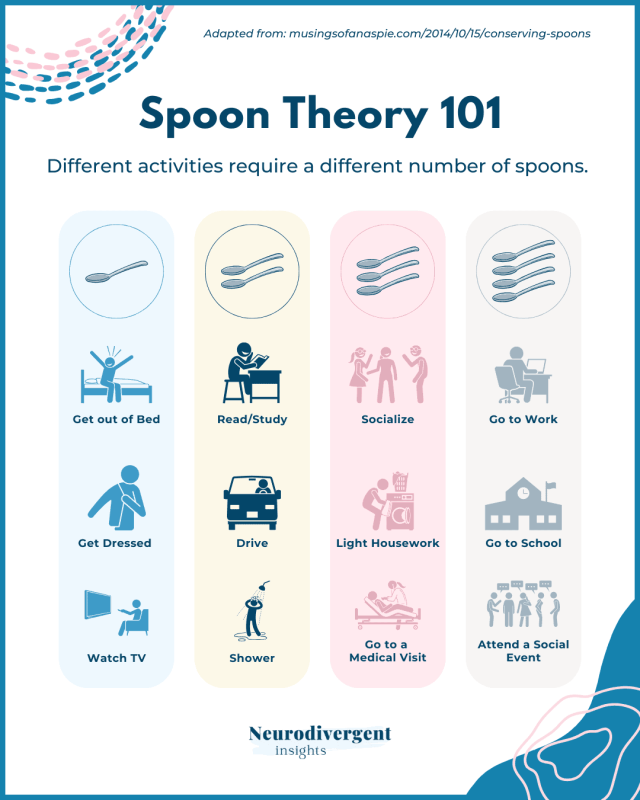
This basically means knowing what you feel capable of and not what you should be capable of. Your expectations need to accurately reflect your spoons (Spoon Theory for Autism and ADHD: The Neurodivergent Spoon Drawer) and, during the holidays, they may be especially limited. The important thing is acknowledging this, planning for it, and not feeling guilty for it.
- Reduce Sensory Load Wherever Possible
If you are affected by sensory overload, the holidays can cause a greater sensory strain. There are new smells, lots of bright lights, more talking and people, and just more of everything, it seems. To help with this, use noise-reducing headphones (Loops can be great, too), shop online or during less busy times, or even create a low sensory space, if possible—a place you can go where the lights are dimmed and the sounds are lower.
- Use “Pre-Recovery” Scheduling
Instead of committing to everything, make sure you take your needs into consideration. Don’t overbook. Try to plan things for one day, then nothing for the next two days, for example. This may upset people, but they need to understand you’re doing this for your own mental health and that’s your priority. Holiday obligations can be especially draining, so it’s important to not overload.
- Default to Easier Options
Executive function overload can exacerbate autistic burnout, so look to gift cards or gift bags rather than giftwrapping everything. Try making frozen or store-bought meals wherever possible. Minimally decorate and visit virtually if possible. Lightening your executive functioning load where possible will help make the holidays more enjoyable.
- Keep One Steady Routine
The holidays are a time of chaos. Late bedtimes, travel, and lots of candy and big meals can all affect you or your loved one. It’s a fun time of no routine and a time to do things when you’d like, for the most part, but it’s also a time where you may feel dysregulated. Lack of routine can cause overwhelm and lead to burnout, so ensuring you adhere to some basic routine items can help mitigate this. Try to have the same breakfast every day, have a nightly sensory decompression ritual, or have a quiet hour before bed. Any little things you can keep the same will help you or your loved one feel grounded and help better handle the chaos surrounding you.

Managing Caregiver Burnout During the Holidays
- Lower the Bar to Sustainable Levels
Try to meet your loved ones where they’re at. Check in with them to see what they feel capable of that day or at that moment. Don’t worry about upholding certain traditions for “everyone else.” Do what you need to do in order to have an enjoyable holiday with your family. Some questions to ask yourself are, “What would happen if I simplified this?” or “What if I chose one tradition instead of five?” Often all that happens is you’re less stressed and everyone has an enjoyable holiday.
- Don’t Overextend Your Future Self
Assume you will have fewer spoons tomorrow, not more, and take that into account when committing to different things. If you usually host, but this year the idea of hosting is too overwhelming, suggest co-hosting with someone else or doing a potluck or not hosting altogether. Use gift bags instead of wrapping gifts and simplify your meals over the break. Give yourself a break, too.
- Build Micro-Breaks Into Caregiving
Make sure you give yourself permission to rest. Taking minor breaks throughout the day will help stave off overwhelm. So, take a short walk around the block, go to a quiet place to be alone, or use a fidget, have a warm drink, or any other sensory-recovery tools.
- Share the Load More Than Feels Comfortable
Asking for help can be hard as a caregiver, but it’s okay to ask, especially during the holidays. Ask someone to watch your kids while you take a brief break. Ask someone to wrap some gifts for you. See if someone can help with the cooking. Don’t take on the weight of the holidays on your own if you have others that can help carry the load. It’s not fair to be expected to do it all. Asking for help is not a sign of weakness, but strength.
- Create a “Bare Minimum Holiday” Plan
Focus on just the basics of the holiday season. Attend only essential events. Forego any complicated outings. Cook as little as possible. Only worry about a couple of simple traditions. The holidays will still happen, but at your and your family’s pace, not everyone else’s.
- Build Your Own Joy Into the Schedule
Take a hot shower or bath. Listen to music alone in your bedroom. Curl up with a good book. Do things that make you happy and feel fulfilled. Taking care of yourself is essential in preventing caregiver burnout. It’s not weak to take care of yourself. It shows your family that you value yourself as much as you value them, and that’s an important lesson any time of the year.
Conclusion
The biggest takeaway as an autistic individual and/or caregiver of autistic individual(s) is that it’s okay for your holiday to look different from what you or others may have expected. It’s also okay to get help from others. When it’s offered, say yes, or make sure you ask for help before you need it.
Different isn’t bad if it helps you and your family enjoy their time together without guilt. No matter what your holiday looks like, we all hope it’s a joyful and restful one.