

 Everyone


Many people associate ADHD with young boys who can’t sit still, talk out of turn, or are always on the move.
Realistically, just like with autism, ADHD can look different in different people. Women and girls, who are often diagnosed with autism later in life, often experience ADHD differently than boys and men.

Late and missed autism diagnoses in women and girls
Why are so many girls left without an autism diagnosis until adulthood? First, let’s look at how ADHD presents in both girls and boys. This helps show the differences diagnosticians often miss.
There is overlap between girls and boys, but girls tend to be more shy, anxious, and disorganized in their behaviour by comparison. Girls also are more likely to “hide” these symptoms as they interfere with society’s idea of what a “good girl” looks like because “women and girls are encouraged to display ‘feminine’ behaviours and traits such as empathy, [social skills], organization, and obedience” (Attoe & Climie, 2023).
Trying to juggle the expected behaviours of a woman while having ADHD can be challenging. As Craddock (2024) acknowledges, “gender is a performance informed by patriarchal expectations of women as feminine, passive, caring, and communicative,” so if you struggle with these things as a woman, it’s easy to feel like you need to mask to fulfill gender norms.
Research has shown many women are aware of the stigma surrounding ADHD and do their best to fit in and hide their diagnosis (Holthe & Langvik, 2017). This research was conducted with a small sample size, but it spoke to overarching problems. Even young girls seem to know what is expected of them and try to “fly under the radar” or mimic their peers to mask. In the meantime, they may go undiagnosed when they could use more specialized support.
Earlier diagnosis benefits women’s well-being (Attoe & Climie, 2023; Craddock, 2024; Holthe & Langvik, 2017), but masking makes it harder to get. The overwhelming gender bias in many ADHD diagnostic tools and tests is a huge challenge. Most are designed for young, white men, excluding people of other backgrounds and identities, which creates a very limited perception of people with ADHD.

Overall, there needs to be a better understanding of ADHD in women and girls because even “teachers and clinicians struggled to identify symptoms of potential ADHD in young women” (Attoe & Climie, 2023). Diagnostic criteria needs to be made more inclusive and reflective of their experiences.
Instead of understanding they are neurodivergent, these girls grow up thinking they’re “broken” or that something is “wrong” with them. After receiving a diagnosis, many women become experts on their brains, which can strengthen their sense of self-confidence. In neurodivergent community spaces, lived experience is often seen as more valuable than words from “professionals” in the field. We are experts because we live it every day.
Women and girls are more likely to receive other diagnoses — such as anxiety, depression, bipolar, or borderline personality disorder — than an ADHD diagnosis earlier in life. For example, “girls had more visits to a psychiatric care facility prior to ADHD diagnosis [and] were prescribed non-ADHD medications (e.g., anti-depressants) before and after diagnosis at a higher rate” (Attoe & Climie, 2023). Many ADHD symptoms in girls appear like other mental health conditions and tend to be treated as such first.
As one participant in Craddock‘s 2024 work said, “I think there should be a lot more awareness of the combined conditions, and feel women are being labelled bipolar or having personality disorders. Enough isn’t known about how these conditions present both individually or together in women. This needs to change.”
Another participant from the same study shared, “For years, I believed that I was bipolar, but now believe that what I was experiencing was a combination of ADHD hyperactivity, autistic burnout, and antidepressant-induced hypomania.”
Many women are diagnosed with anxiety or depression before ADHD because they’re masking the ADHD symptoms (Flannery, 2023). As a result, they can spend years taking medication and receiving treatments for conditions they don’t even have, leading to unnecessary confusion and frustration. Many girls and women in this position feel misunderstood, blaming themselves for their ADHD tendencies when they don’t need to simply because they don’t know any better.

Functional freeze
Many neurodivergent women and girls go through functional freeze.
There are four ingrained evolutionary trauma responses: flight, fight, freeze, and fawn. Functional freezing is sort of like masking. People appear fine and functioning on the outside, even if they’re feeling frozen and anxious on the inside. They may prefer to be alone and have difficulty engaging in self-care while in this state.
Many neurodivergent people functionally freeze without even knowing they’re doing it. It can be especially common for mothers, who may not have the option of doing what they need to do to reset. Going through the motions of supporting a family while feeling disconnected and alone can be very difficult. Skills around decision-making, task prioritization and completion, and daily living can all regress and make stressful situations even more challenging.
Getting in touch with nature, going to therapy, and practicing mindfulness are just a few ways to get out of functional freeze. It’s important to remind yourself that you’re not lazy for freezing. You are coping with the overwhelming feeling of having too much to do and too few resources.
My story as an ADHD mother
The late diagnosis, struggle to be understood, and constant masking can be exacerbated for mothers with ADHD.
As one participant stated in a study by Holthe & Langvik (2017), “Women almost are expected to have an inborn ability to organize and maintain things in order.” As a mother with ADHD, I can say that isn’t always true.
Often, we are highly distractible and find it hard to transition from one task to another in an orderly fashion. Raising children only exacerbates this distractibility since babies need what they need when they need it, regardless of their mother’s readiness to provide it.
For example, you may finally be focused and organized, but if the baby’s needs interrupt you, it may take longer to complete the tasks you need to do. Managing children and work is often overwhelming for moms with ADHD, leading many to stay home with their kids as much as possible.
I was diagnosed with ADHD (and autism) when I was 36. I went my whole life thinking I was weird when, really, my brain just works differently. I struggled to be like everyone else because I am not like everyone else. It took my own daughters being diagnosed with ADHD for me to look at myself and realize that maybe that’s what I had been missing.
Mourning the life I could have had if I had been diagnosed earlier isn’t easy. How would things have been different if I knew about my neurodivergence as a child rather than a grown adult with my own children? My confidence would have been greater, and I would not have been inundated with so many negative internal thoughts, especially as a teen.
Then again, I also realize I couldn’t have been properly diagnosed as both autistic and having ADHD before 2013 (Craddock, 2024) when the fifth Diagnostic and Statistical Manual of Mental Disorders (DSM-5) was released, anyway.
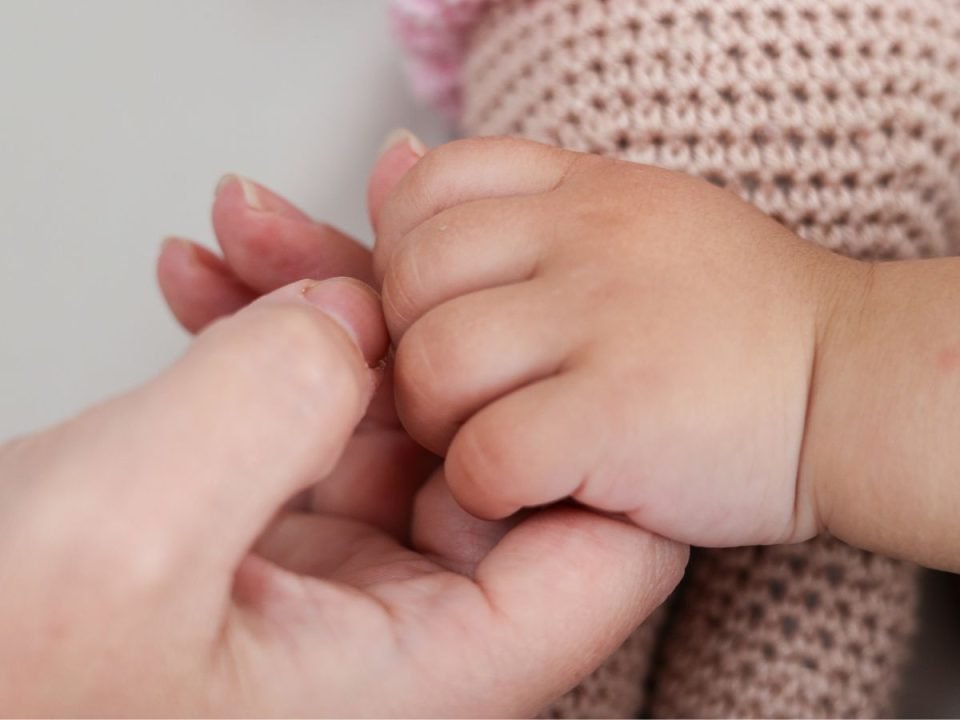
Now that my kids are older, I barely remember a time before them, but everything changed when my oldest was born. I was suddenly responsible for this little person while also recovering from birthing her. I struggled with my identity (and still do sometimes). Was I still me or was I a mother? Was I both? It was overwhelming and confusing, and I needed time to care for myself and get my brain in order.
All moms, including moms with ADHD, could benefit from receiving more grace and forgiveness from themself and others. Motherhood doesn’t come naturally to every woman, and it can be tempting to overthink. Staying present and getting everything done is always a work in progress. A little gentleness can go a long way.
Despite all of that, my oldest is now almost 12. She doesn’t hate me and seems awesome, so my husband and I did something right. I need to remind myself of that almost every day.
Conclusion
Hopefully, girls and women with ADHD will get more support and acknowledgement with time. Together, we can strive to create a world where we no longer need to hide our true selves.


