Caregivers


Going to school while neurodivergent is different. Not every school will work the same for every child, and you may have to use trial and error to find the right fit. This is neither easy nor ideal. But I’ve been there and I’m here to help. So, here’s my story of advocacy for my three autistic children and navigating the various schooling methods available to us.
From Misdiagnosis to Diagnosis
My advocacy journey began when my son was around two years old. From about 18 months on, he always seemed “different,” but no one could quite put their finger on it. My husband and I suspected autism, so I did lots of research on it before approaching our pediatrician for a referral to our local public autism assessment centre. Thankfully, he saw signs and sent off the referral. And so our autism journey began.
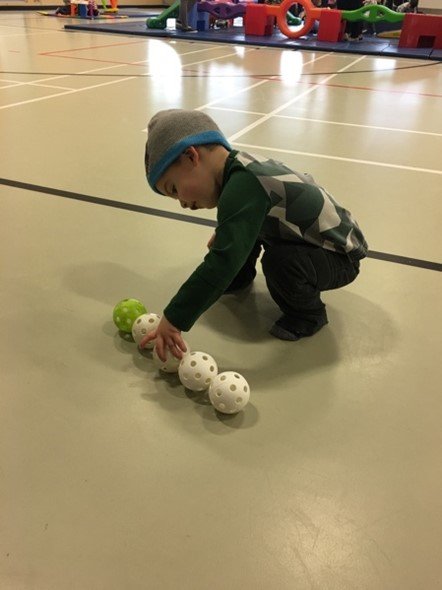
In the meantime, all we could do was to use the services at the infant development program (IDP) and the supported child development centre (SCD) in our city. My son is a twin, and his sister had plagiocephaly and torticollis from birth, so we had already been using these services for her physiotherapy, and his older sister had a slight speech delay. Suffice to say our family was a frequent traveller there.
Then the day came when we got our assessment appointment. My husband and I were elated and hopeful. That quickly faded after the assessment when they told us he was not autistic, but rather had global developmental delay (GDD). While I was relieved to have some answer, I was disappointed because the autism diagnosis would have opened more doors to services for him. So, after getting the GDD diagnosis, we simply kept using the IDP and then SCD services in our community.

In the years that followed, I knew the diagnosis was wrong. I just knew, deep down. So my advocacy journey kept going. I called the assessment centre that saw him to see if they’d see him again, and they wouldn’t. Then we had him privately seen, where they simply observed him at daycare, and said they saw no signs of autism. I was also told that many clinicians try not to go against a previous diagnosis. Thankfully, he was diagnosed with ADHD at least by the time he was four and a half.
I was beginning to feel hopeless and unheard. We moved to the interior the summer before he and his twin sister started kindergarten. It was a huge change for all of us, but the kids all handled it wonderfully.
They all went to our local public school, and we put the twins in separate classes. They had always been together, and our daughter tended to watch over our son, and we wanted them both to be more independent. This went well.

Then in December, our son’s teacher called a meeting about him. My husband and I attended, as well as the teacher, principal, vice principal, school psychologist, and education assistant. Hesitantly, they told us they believed he should be assessed for autism. My husband and I looked at each other and felt relief. Our son was finally seen!
We were lucky to be able to afford a private assessment and he was seen in March 2020, right before Covid shut the world down. So, we finally had his diagnosis and answers, but no access to services yet and we were all stuck inside together for the foreseeable future.
“They Can’t Be Autistic”

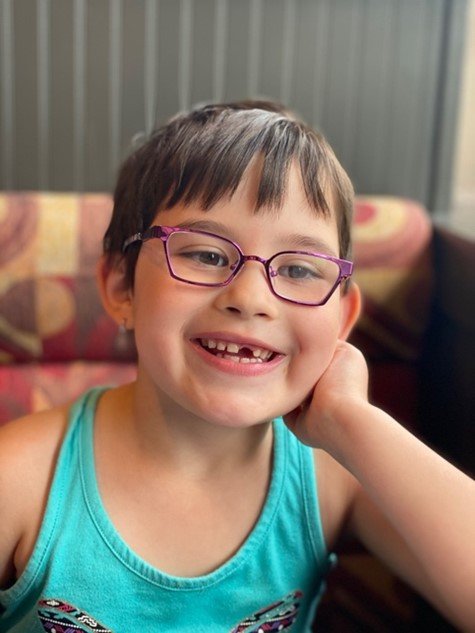
Upon returning to school in-person in June for a few weeks, I realized I needed to advocate for my younger daughter now, too. She was being excluded in classroom activities and told to get ready alone or made to sit apart from her peers. She struggled too much for a kindergartener. As I researched autism in girls, I noticed she masked a lot, crying when she thought she should, for example. It was as if she wasn’t sure how to just be herself.
She was assessed and diagnosed July 2020 to the surprise of many, but not my husband and me. Once more, we knew what our child needed.
With Covid and these new diagnoses, I decided to send the three of them to a small independent arts school, thinking it would be better for them and allow them to be more expressive.
Once at this new school and after I was diagnosed autistic, I began to see a lot of myself in my oldest daughter. I thought perhaps she’s autistic, too. No one believed me. Again, I had to fight to be believed. Even after she received her diagnosis her teacher was in disbelief. My family was in disbelief. She seemed so “normal.” She didn’t “look autistic.”
New School, New Problems
They attended this new school for three years and we left after the last year was horrendous and traumatic.
I won’t go into all the details here, but the biggest issue was our son being excluded from all arts programs and the big year-end performance simply because he’s autistic and a bit slower at things. We were even asked to privately hire a 1:1 helper for him because the school couldn’t handle him. With this private EA, he still was excluded. He began to notice he was different than his peers and began exhibiting learned helplessness, preferring to not try rather than try, and possibly fail.

These were all huge issues, and I felt guilty for not being more upset about it at the time. He is currently in counselling to work through these issues and build back up his confidence as the way he was treated at school affected him at home and at his extra-curriculars (he lost all confidence in hockey at the start of the season and it took months for him to regain what he’d lost).
His twin sister was also made to feel badly, always being forced to comply and being labelled a “troublemaker” even when she was behaving. She was never good at just being like everyone else, and I think that’s a great trait. Who wants to be the same as everyone?
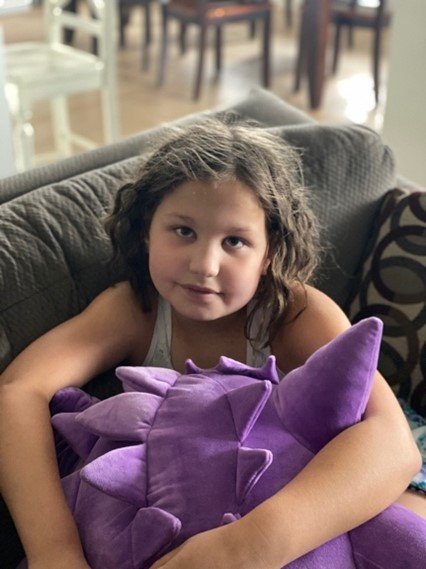
Then my oldest daughter struggled socially. It felt as though the school just didn’t “get” my children. They didn’t fully understand the needs of autistic children and many parents seemed to have one idea of what autism is and were not very accepting or open to learning more about what autism really is. She got excluded from things with her few peers in such a small class and nothing was done about this.
After this school didn’t work out what could we do? What other options were there for a complex family like ours?
A Place Where They Could Thrive

That’s when I found a local learning centre where they had academics via an online learning school and learned life and social skills at the centre. Here, they were all allowed and encouraged to be their authentic selves. My oldest always said she “ripped off my mask” at this school.
They could take breaks as needed. They could use fidgets. They could leave the pod (classroom) they were in and go to the sensory room. They could listen to their bodies and do what was needed in order for them to learn best. My younger daughter would do her math work in the comfy chair, for example. Schoolwork all got done. It just looked different from a regular brick and mortar school. They could pursue their own interests, and the teachers were incredibly involved and easily reachable despite being only online.

Sending them to a learning centre was scary at first. I didn’t know what to expect really and hoped I was doing the right thing for them. My son’s slow processing speed was accommodated in his pod rather than being a hinderance. He still struggles with it (and may always), but his mentor worked with him and was patient. He could truly be his best self. All my children could.
What Have I Learned?
Since beginning this journey I’ve learned and grown a lot, but I know I’m not done yet. My eyes have opened to the plight of the neurodivergent and the dangers of ableism, and I want to expand on that here.
The biggest thing I’ve learned is that the way the world is currently set up isn’t ideal for the autistic individual, whether child or adult. The biggest place this is seen for children specifically is school. I saw it with my own children, and I still see it. It’s as if they forget how to simply “be” around other children.
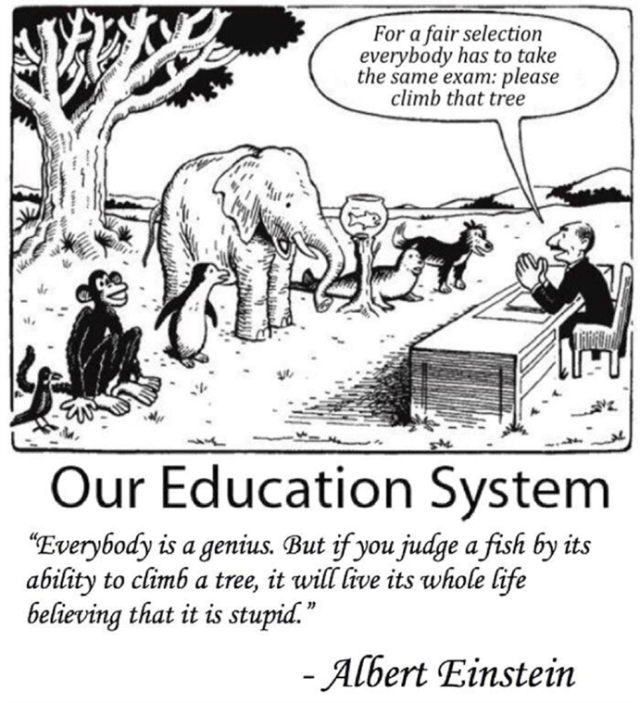
Traditional schools are built around ableism and the belief all children should be treated equally, regardless of ability. It’s gotten better over the years with special education resources, but it’s still rooted in ableism, compliance, and behaviour modification. This is unfair, as not all children have the same capacity or ability. Accommodations allow the teacher to meet the child where they’re at instead of forcing them to do something they are incapable of. My whole life I’ve always thought “I just need to work harder” or “I’m just not good enough,” when in reality maybe I just couldn’t do things like other people. And that’s okay.
Traditional schools struggle to properly accommodate the autistic child. Rather than accommodate, my younger daughter’s teacher forced compliance, which never worked, especially with her PDA profile. All it did was make her feel like a troublemaker, or bad, as if no matter what she did she could never be seen as anything else. She was made to feel “other” when her punishment was to be separated from her peers at recess.
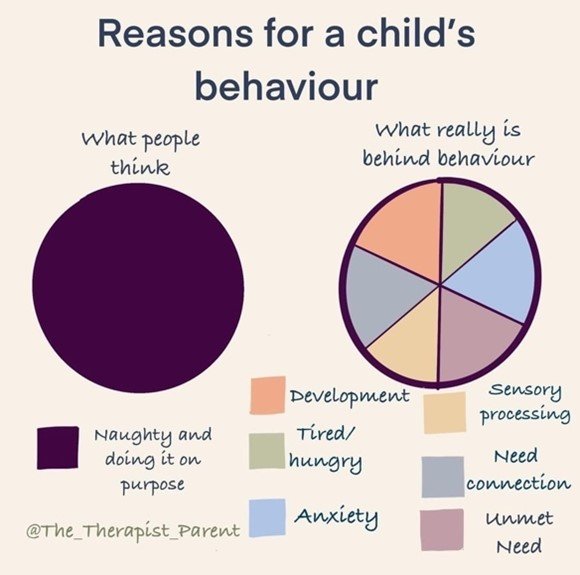
If the child needs fidgets, these are often not allowed, for example, or if they need a walking break or a place to go to just rest and reset. It’s not the teachers’ or EAs’ fault; that’s important to remember. It’s that the entire system isn’t built for properly supporting the autistic child. For example, getting upset at, and punishing, a child for colouring on a desk is less helpful than asking her why she’s doing that and offering her paper.
There are many wonderful teachers in our province, but the system doesn’t allow for them to deal with autistic children as they may want to. The classes are far too large to properly accommodate all autistic children and there are too few EAs to help the teacher, too. According to the BC GOV News website, there were 86,596 students with “diverse needs” in 2024, 3,830 more than the year before, and this number keeps going up.
This leads to masking by our children in schools, especially among girls. My daughters and I do this. After getting my own diagnosis, I felt like I had to re-learn who I am. Was I even my true self all these years, or just masking? My oldest daughter masks less than my younger daughter, and I’m working on getting them both to do it less. It’s not easy when the world is telling you to be one way and you don’t know how to be that way, so you watch those around you and copy their mannerisms to hopefully fit in.

A great way to look at it is like the autistic person is an alien trying to fit into this strange new world. She simply observes the people and copies them, hoping to go unnoticed as an alien. She wants to just fit in and be human like everyone else.
Imagine doing that every day, though, for at least several hours? It would be exhausting. It is exhausting. Trying to fit in by being someone you’re not is unfair and difficult. It can lead to depression, anxiety, and loss of identity, among other things. Masking can also lead to autistic burnout, where the autistic individual is exhausted and overall has more sensory sensitivities. Forcing masking is one cause of this. We don’t want our children growing up with these feelings, so how can we try to lessen them while they’re young?
Allowing your child to be themselves is a great start! Let them fidget, let them sensory seek or avoid, let them have their special interest. Let them figure out who they truly are while at home in a safe space with you, their parent or caregiver, so that you can better advocate for their needs in a school setting.
What Now?
So, what can you take away from this long essay? There’s a lot that can be applied to your life too!
- Follow your instincts. You know your child best.
- Never give up even when everything around you is saying “you’re wrong.”
- It’s okay to try new options, even if they end up not working out.
- Reach out to societies like AutismBC to find resources to help your child thrive.
- Try not to enforce masking, even at school. This can be a challenge, but the long-term effects of masking are noteworthy.
- Be sure to speak with the EAs and head school staff about your child’s needs.
- Don’t let the school tell you what your child needs or that they cannot take necessary breaks or use fidgets.
- Ensure the school implements any necessary accommodations for your child.
- Be open to other schooling options if the current one can’t meet your child’s needs. We have a blog detailing the different schooling options and what they mean.
- As parents of autistic children, we may have to shift our expectations with schooling.
- It’s okay our children need different accommodations than others.
- We must meet them where they are and not force them to go further than they can. All children do well when they are able.
- Move away from compliance to collaboration. From a “you” problem to a “we” solution.