Everyone


The autism community is thriving, with autistic people actively creating their own safe spaces to connect and support one another. If you’re not part of this community, you might be surprised by how much you don’t know! Drawing from the firsthand experiences of our autistic staff and members, here are 10 essential facts to expand your understanding.
1. Where do autistic people connect with one another?
Both online and offline, autistic people create thriving spaces to support, uplift, and empower each other. These safe spaces allow for genuine connection, advocacy, and community building.
2. Does the autism community include people with different support needs?
The autism community includes people with a wide range of support needs. While some spaces focus on specific groups like non-speaking people, non-verbal people, or late-diagnosed adults, the broader community includes people with varying communication, mobility, and daily support needs
3. Is there a unique culture within the autistic community?
Absolutely. The autistic community has its own language and culture; terms like “neurodivergent,” “allistic,” and “spoons” gained traction within autistic spaces, shaping how we talk about our experiences
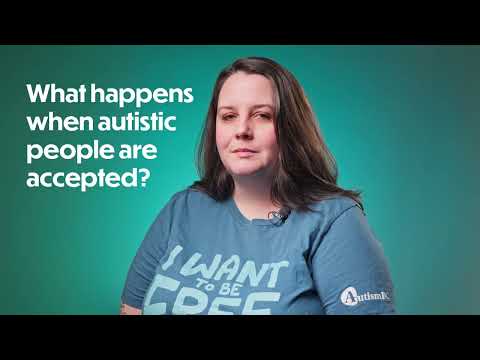
4. What happens when autistic people are accepted?
When autistic people feel safe and accepted, we can express our insights, practice our talents, and be our authentic selves without fear of judgment.

5. Do accessibility measures for autistic people help others, too?
What helps us has the potential to help others, too; for example, sensory-friendly hours at local grocery stores might be interesting not only to autistic adults but anyone with migraines, sensory processing differences, and PTSD, for example.
6. Where can I learn more from autistic community leaders?
A lot of autistic community leaders share their views on social media, but many are also public speakers who offer in-person presentations or online training.
7. What impact does finding an autistic community have on late-diagnosed adults?
For many late-diagnosed autistic people, discovering a community of others with shared experiences can be life-changing, providing a sense of belonging and validation.

8. Do autistic people experience joy?
Autistic joy is real! Though we often bring attention to issues we think need to be resolved, autistic people experience intense happiness, excitement, and passion, especially when engaging with a special interest, stimming freely, or being in affirming spaces.
9. How are autistic-led organizations making a difference?
Autistic-led organizations like AutismBC are changing the narrative. Many advocacy groups, research projects, and community spaces are led by autistic people pushing back against the narratives and prioritizing lived experiences
10. Are there social events specifically for autistic people?
Autistic community events are getting more common and more popular. From sensory-friendly social gatherings to online panels and more, autistic-centred spaces offer more accessible opportunities to connect — and they’re growing in popularity
Hopefully now you know a little more about the autism community and acceptance. Supportive allyship goes beyond awareness. It’s about embracing neurodiversity, listening to autistic voices, and creating spaces where we can all thrive.
By uplifting autistic-led initiatives, fostering inclusive communities, and challenging outdated ideas, we move closer to a world where everyone feels valued and understood.
Share this list to keep the conversation going!