

 Caregivers


Getting ready to go back to school
The thought of making snacks and lunches that our kids will actually eat, getting them out of bed and ready for the day, and introducing them to a new classroom (or school), teachers, and classmates can be overwhelming for us parents, too.
The following tips will, hopefully, help you start organizing your transition:
Adjust your morning routine
- Ask everybody in the house to go back to a “school day sleeping schedule” by gradually going to bed a few minutes earlier every night until they reach the necessary wake-up time.
- If your child needs structure, be sure to outline their days and even weeks and months.
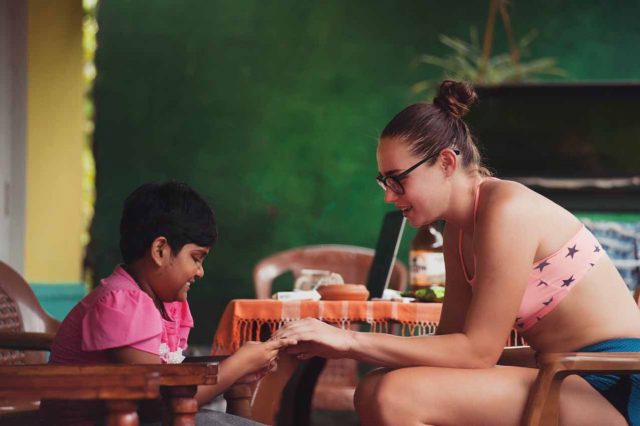
Getting ready for a new school, classroom, teacher, E.A and classmates
- If possible, visit the new classroom and meet the new teacher before school starts. Otherwise, take pictures of the new environment and the people that they will see.
- Ask them to write down or talk about things they like about going to school, like the playground, library, or friends.
- Read books or watch a video with them about going to school so that they know what to expect.
Get your child involved in preparing for school
- Take your child shopping for school supplies and clothes or uniforms.
- Let your child choose a fidget they can take with them to school (confirm with the teachers what is permitted).
- Bring them along to shop for snacks and lunch, maybe even let them pick their favourites!
- Pick a day before classes start to role-play, packing backpack, packing school supplies, snacks, lunch, and a special item (if they have one). Make a packing list with visuals.
Personal Profile and Summary of their summer activities
- As with attending any new classes or programs, write a personal profile of your child.
- Share information about your child with the other students and their families. My Booklet is a great free resource that can be updated quickly, and you can share different sections of it with certain people. For example, you may elect to share your child’s interests and likes/dislikes but not the section about medical history or family relationships.
- Write a brief summary of new skills, challenges, and favourites that your child has acquired. Notes on activities they participated in and places you’ve travelled to can also help! This valuable information will give the school an update on your child and help develop conversations.
- Remember to put an emergency contact card with updated information (after-school care, support workers, etc.) in your child’s backpack and make sure your child knows where to find it.
Communication with school
- Work with your home team to update your communication book with the administration, then refine it with them. Yes, you can have a communication book! The type of communication, amount, and who does the communicating from the school may vary depending on your district.
- Get the daily schedule for your child’s class, including special events (field trips, assemblies, etc.).
- Set up a meeting with your classroom teacher and SEA(s)/EAs to discuss how your child can prepare for the new academic year. Some districts call the support provider an SEA (Special Education Assistant) and some call the support provider an EA (Education Assistant). They are the same role.
- If your child may need some sensory breaks, have a card that they can give to the teacher giving them a “hall pass” while not singling them out in the classroom. Have this accommodation included in their IEP and let your child know this is available to them.
- Make sure the school does not force your child to do anything they are uncomfortable doing, such as forcing eye contact or compliance. This will just make the child feel self-conscious and may lead to behavioural issues and feeling like they can’t be themself at school.
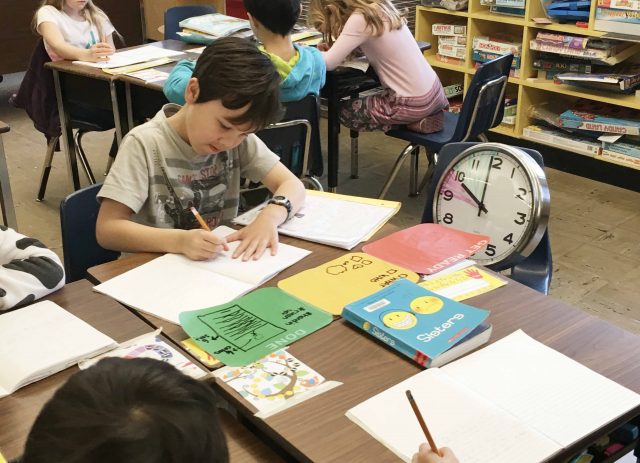
Making Connections with Classmates
Your child may not have the school connections or experiences that you envisioned before you became a parent. Some of the time, it’s harder for the parent/guardian to accept this than the child as they don’t know any different. Get rid of your expectations.
Some articles I liked about helping your kids make friends at school:
Aide Canada has some great resources:
Video links: https://vimeo.com/541725778
Create a Safety Plan (if needed)
If you have safety concerns about your child (e.g. eloping, self-harming, aggression, etc.) you will want to create a safety plan with the school sooner rather than later. It is much better to be proactive than reactive. Also, if an incident happens at school and there is no safety plan in place (or even if there is) your child will likely have to stay home until one is formed or it can be modified. This will help your child get back to school quicker if one already exists and just needs modifying. It’s important to try to work together with the school in a respectful and professional manner, this can be difficult as emotions can run high when it comes to your child’s safety. Remember, school staff are only human as well and mistakes can be made.
Advocacy: Stand Up for Your Child but Don’t Get Lost In It
It’s important to stand up for your child’s rights and be the squeaky wheel. However, your child’s school career is going to last more than a decade, so don’t run out of advocacy fuel! Sometimes you need to let things go, especially the small things that won’t make a difference a year from now.
Bullying
Hopefully, it will never happen to your child but in the unfortunate event it does these resources may be useful. Schools should have zero tolerance when it comes to bullying so hold them to that.
- Bullying Canada
- Bullying Province of BC
- How to Help When Your Kid is Bullied – Empowering Parents
- What to Do if Your Child is Bullying – Empowering Parents
- Girl Bullying – Empowering Parents
- What We Know and What We Can Do – PREVnet
Trust in Your Decisions; It is OKAY to Opt-out of Things
Know your child and do not feel bad about having to opt out of things for their well-being This could mean starting your child with a gradual/partial schedule at the beginning of the school year, opting out of field trips that you know they won’t enjoy or even opting out of that holiday concert. Trust in your parental instinct and ability to make good decisions for your children, and when they’re ready, they’ll shine! If your child is able to advocate for themselves then ask them their preferences.
Relax and be positive
Starting a new school year can be stressful for both parents and children, but remember, our children don’t only copy actions, but also emotions. Relax and try to help your child get ready for the new year by taking things slowly and staying positive. Starting your child’s first day of school on a positive note will make the rest of the year easier for both of you. Have a great year!
School Resources & Tools
- School District Locator – Government of BC
- Guide to Choosing a School – Autism Education Trust (UK)
- BC Curriculum – Government of BC
- Manual of Policies, Procedures and Guidelines – Special Education Services
- EASE at Home – Healthy Minds BC
- MyBooklet BC – Free online tool to create personalized information booklet.
- School Anxiety & Attendance Challenges Webinar – Kelty Mental Health – Free – 3 Part Series for families and caregivers
- School Anxiety & Attendance Challenges: Webinar series collaboration from BC Children’s Hospital, the Vancouver School Board, and Vancouver Coastal Health Child & Youth Mental Health – November 2020.
- Stigma Free Student Mental Health Toolkit
Online, Home & Distributed Learning
- Online Learning – Government of BC
- BC Learning Services
- Home School Canada
- BC Home Learners Special Needs (Facebook group)
- SN Home Learning Families BC (Facebook group)
- Distributed Learning, Online Learning and Homeschool – AutismBC
Individualized Education Plans (IEP)
- Your Guide to Individuals Education Plan (IEP) – AutismBC
- Individual Education Plans: A Guide For Parents – BCCPAC
Transitions
- Transition into Post-Secondary – Evan Noble
- Transitions Timeline – Find Support BC
- Transition to High School – Autism in High School
Advocacy & Inclusion
- Five Moore Minutes! – Shelly Moore Inclusive education empowering schools and classrooms to support ALL Learners!
- A Parent’s Handbook on Inclusive Education – Inclusion BC
- BCEd Access – Exclusion Tracker
- Your Child’s Voice – book by Cynthia Lockrey
Bullying
- Bullying Canada
- Bullying Province of BC
- How to Help When Your Kid is Bullied – Empowering Parents
- What to Do if Your Child is Bullying – Empowering Parents
- Girl Bullying – Empowering Parents
- What We Know and What We Can Do – PREVnet
Articles & Blogs
- 4 Tips for Teaching Autistic Pupils (from the pupils) – Adam Black 2019
- 5 Ways to Help Autistic Students get Settled – Viv Berkeley 2019
- Help Neurodivergent Children Transition Back to School
- Autism Q&A Helpful and Unhelpful School Experiences
- Autism Q&A : A Guide to IEPs (Individualized Education Plans) in BC
- Staff Sharing: Education Accessibility & Advocacy
- Theme Resource: Distributed Learning, Online Learning and Homeschool
- AutismBC Connects: Facing Ableism in the School System
- Stigma Free Student Mental Health Toolkit
Region-Specific Resources & Supports
- Parents Alliance of Differently Abled Learns Society (PADAL) – Vancouver Island
- Partners for Inclusive Education – Interior (Facebook)
Events and Workshops
Region Specific Resources & Supports
- Parents Alliance of Differently Abled Learns Society (PADAL) – Vancouver Island
- Partners for Inclusive Education – Interior (Facebook)
Links to Organizations
- ACT (Autism Community Training)
- BC Confederation of Parent Advisory Councils
- BCEd Access
- Family Support BC
- First Nations School Association (FNSA)
- Inclusion BC
- POPARD (Provincial Outreach Program for Autism & Related Disorders)
- Set BC
Post Secondary Information
- Severe and Permanent Disability Benefit (applies to Student Loans)
- Student Aid BC Assistance Program for Students with Permanent Disabilities
- BC Access Grant for students with permanent disabilities
- Canada Student Grant for Students with Permanent Disabilities
Scholarships:
Additional Post Secondary Resources
- Transition into Post-Secondary – Evan Noble


