


Note: This is a guest post written by author Anthony Albania. Anthony is an autistic person from the Filipino community who has always had a keen interest in learning about other disabled people’s perspectives, especially from 2SLGBTQ+ and BIPOC folks.
Autistic people of any age can be great friends. My autistic friendships are non-judgemental, kind, and full of mutual excitement, which makes me feel loved and valued.
Despite harmful stereotypes about autistic adults being unable to make and keep friends, we retain qualities like playfulness and authenticity that most people lose with age. I like that we can enjoy our special interests together.
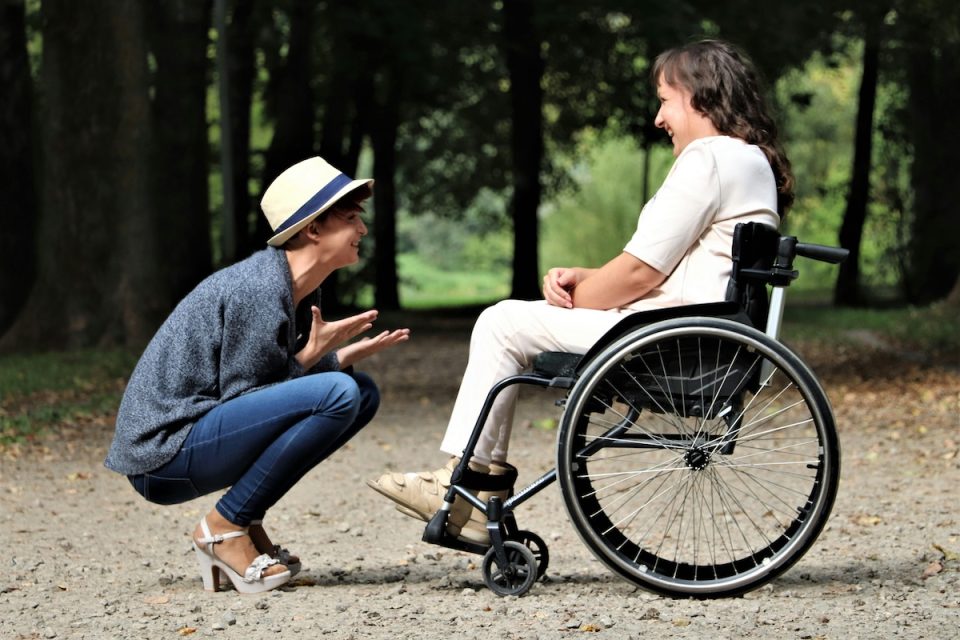
Acknowledging these pros matters because autistic people are often treated like outsiders in social environments. Some of the factors that cause this isolation include biases and misinformation, communication differences between autistic and allistic people, and a lack of appropriate accommodations for us in social settings.
While we have strengths in this area, the areas where we struggle matter too. Many autistic adults need support to overcome the barriers they face to establishing and maintaining relationships despite wanting more friendship in their lives.
I’ve been told I’m too frank, talkative, or vulnerable, but knowing what is and isn’t socially acceptable doesn’t come quickly to me. Knowing that, my friends can support me by giving me extra patience and understanding, for example.
Using autistic-friendly apps and equipment can also add some ease to socializing.
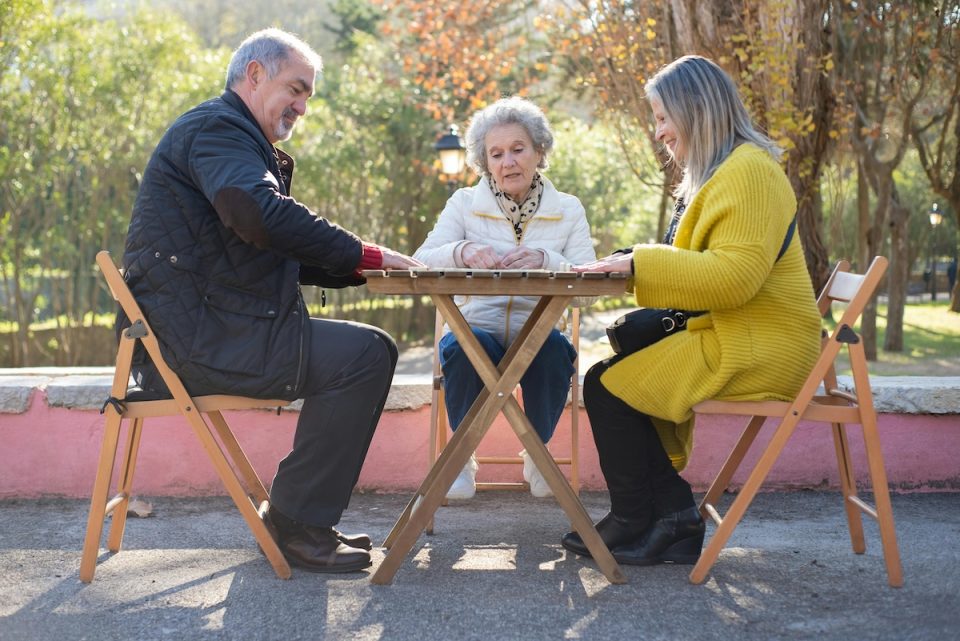
With neuroaffirming support and understanding, autistic folks can make lasting and meaningful relationships.
Some of the barriers autistic people might face to forming and maintaining friendship are:
- Understanding nonverbal communication: This includes body language, facial expressions, social cues, and gestures
- Communicating while nonverbal: Many autistic people experience nonverbalism and may use adaptive or alternative communication devices to socialize rather than speak
- The double empathy problem: Mutual misunderstanding/misinterpretation that can happen between non-autistic and autistic people
- Sensory environments: A negative sensory environment (too loud, bright, smelly, etc.) can impact social skills like speaking, focusing, and making eye contact
- Interoception: Challenges in noticing, naming, distinguishing, and describing inner emotions, desires, and sensations
- Perception: Autistic folks might unintentionally come across as overly friendly or overly rude.
- Isolation: Social and physical isolation due to societal and cultural exclusion and structural inaccessibility
- Expectations and pattern recognition: Expecting present or future relationships to be the same as past relationships
- Mental health: Anxiety, worrying, rejection sensitivity, crises, and rumination on negative experiences
- Physical health: Co-occurring conditions, burnout, meltdowns, and more restricting social agency, access, and ability
- Struggling with daily living: Overwhelm with everyday tasks like eating, scheduling, and cleaning can worsen physical and mental health symptoms
- Disclosure: Uncertainty about whether it’s safe or beneficial to share their autism diagnosis
- Vulnerability: Higher risk of manipulation and harm without understanding why or what’s happening
To learn more about autism-related terms, check out our glossary page.
Despite these barriers, remember autistic people are more than capable of friendship. If you are autistic, the more you practice, the better you’ll get at socializing. The better you get at socializing, the more naturally friendship will come to you. In the meantime, be kind, have fun, and treat people how you want to be treated!
Interested in meeting other autistic adults? Please attend one of our Meets, including our Getting Together on the Spectrum virtual group meetings, to chat, listen, and connect.


